| Cessnock Bridge Club plays at the - CWA Rooms at 161 Vincent Street, Cessnock NSW |
|
air conditioned venue. Monday Morning at 10 am Wednesday Afternoon at 1.30pm Friday Morning at 9.30am
Parking is available on Vincent Street for disabled players. Parking also available in carpark behind CWA Rooms, or carpark across from Coles, access to Vincent Street by the alleys between shops. Members- please book online for club sessions.
Contact cessnockbridgeclub@gmail.com or if you require assistance with booking in or finding a partner. call/text John Craft on 0425 374 455 |
|
| Last updated : 18th Aug 2026 20:46 ESTA |
|
|
|
| Dave Monahan Trophy and Lunch |
DAVE MONAHAN TROPHY
Held on Friday 18th September 2026
WINNERS: Chris Van Wyck, Betty Burgess
SECOND: Dagmar Niedergesass. Di Nelson
THIRD: Diane Thompson, Rod McNamara
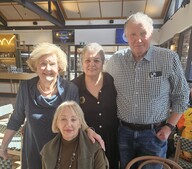 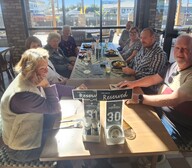 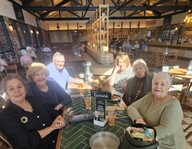
LUNCH HELD AFTERWARDS ALL ENJOYED THE FOOD AND COMPANY
|
|
| Last updated : 23rd Sep 2026 12:32 ESTA |
|
|
|
| Cessnock Bridge Club "New Committee" |
Election results for Cessnock Bridge Club Committee 2026 - 2027
are as follows,
President; Diane Thompson, Vice President; Anne Cochrane
Secretary; Cathy Sherwood, Treasurer; Jill Ramsden
Committee Members: Roz Northcote, Carol Hubbard, and Rod McNamara
Public Officer Ted Bennett
|
|
| Last updated : 26th Sep 2026 08:06 ESTA |
|
|
|
| System Cards |
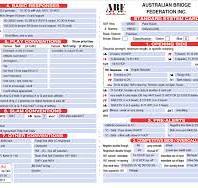
- All players please remember that system cards need to be placed on the table on your left hand side.
- All directors from 22nd July 26 will be encouraging all players to have their system cards when playing at Cessnock.
|
|
| Last updated : 22nd Jul 2026 19:16 ESTA |
|
|
|
| "Winter Pairs" Placing for 2026 |
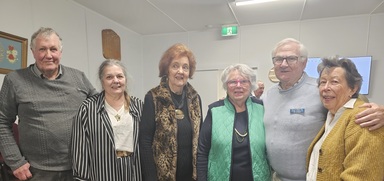
1st Place in centre Norma Byrne and Pauline McCabe
2nd Place Dennis and Alison McEncroe
3rd Place Diane Thompson and Rod McNamara

|
|
| Last updated : 22nd Jul 2026 18:12 ESTA |
|
|
|
| AUSTRALIA WIDE Novice Pairs 29th MAY 2026 |
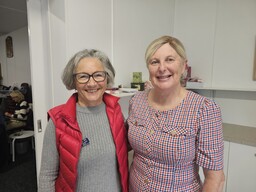
Congratulations Jackie and Gloria Winner's of
Australian wide Novice Pairs at Cessnock Club
Runners up Di and Veronica
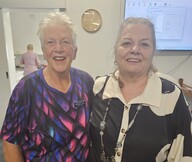
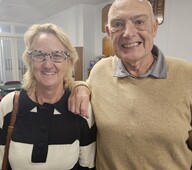
Congratulations to John and Jane who recieved their frist Masterpoints at this tournament.
John and Jane come to this years beginners course and have only just started playing at club level
|
|
| Last updated : 29th May 2026 16:50 ESTA |
|
|
|
| Autumn Pairs Winners 2026 |
|
1st Alison McEncroe, Jackie Clausen
2nd Heather Wilson, Liz Ewen
3rd Tim Clausen, John Craft
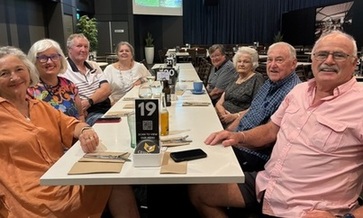
LUNCH HELD AT CESSNOCK LEAGUE'S CLUB FOOD AND SERVICE WAS GREAT
GOOD TIME HAD BY ALL WHO ATTENDED
|
|
| Last updated : 26th Apr 2026 11:46 ESTA |
|
|
|
|
|
| Newcastle Congress 29th March 26 |
|
Cessnock and Maitland players teamed up again and entered the Newcastle Novice and Restricted teams Congress held in Newcastle on the 29th March.
Team comprised of Kerry-Anne Durrant, Gloria Gerrish, Anne Cochrane and Warwick Brown.
The team came Equal 3rd in the Novice section, Well done to all players
|
|
| Last updated : 26th Apr 2026 12:39 ESTA |
|
|
|
| Central Coast Bridge Club Golden Festival of Bridge Congress |
|
Rod, Diane, Gloria and Anne at the 50th Anniversary Congress held at the Central Coast Long Jetty on the 19 - 23 March 2026
Red points where acheived by each pair.
|
|
| Last updated : 26th Apr 2026 12:39 ESTA |
|
|
|
| CCBC State Restricted and Novice Team Congress Nov 25 |
Cessnock and Maitland Members formed a team and entered the Novice section of the above congress.
The team was 2nd overall in the novice section and overall 5th in the congress great effort by all members of our team.
Team members were Kerry-Anne Durrant, Carmel Murphy, Anne Cochrane, Gloria Gerrish and Diane Thompson .
|
|
|
| Last updated : 26th Apr 2026 12:39 ESTA |
|
|
|